We hear the exact same question from stressed property owners every week.
The difference between a heavy-duty scrub and a regulated scene often feels blurry. Understanding exactly what counts as biohazard cleanup saves you from severe legal and health liabilities.
Our professional service team sees directly how making the wrong call can ruin a property.
This guide breaks down the practical thresholds that push a project past traditional limits. When a situation actually crosses those thresholds, our biohazard and specialty cleanup coordinators handle the routing to a trained, OSHA-aligned crew.
OSHA Bloodborne Pathogens, In Plain Language
The presence of blood or potentially infectious bodily fluids automatically triggers a biohazard response. Standard cleaning crews lack the legal certification and training to handle these materials safely.
Our protocol strictly follows the OSHA Bloodborne Pathogens Standard, officially known as 29 CFR 1910.1030. This federal mandate exists to stop the transmission of severe viruses like Hepatitis B, Hepatitis C, and HIV.
Ignoring these federal regulations exposes property owners to massive liability, as OSHA actively issues daily fines for unprotected worker exposure.
You face intense regulatory heat if an untrained employee or resident gets exposed. OSHA can issue severe penalties for these safety violations, with federal fines reaching up to $15,625 per day in 2026.
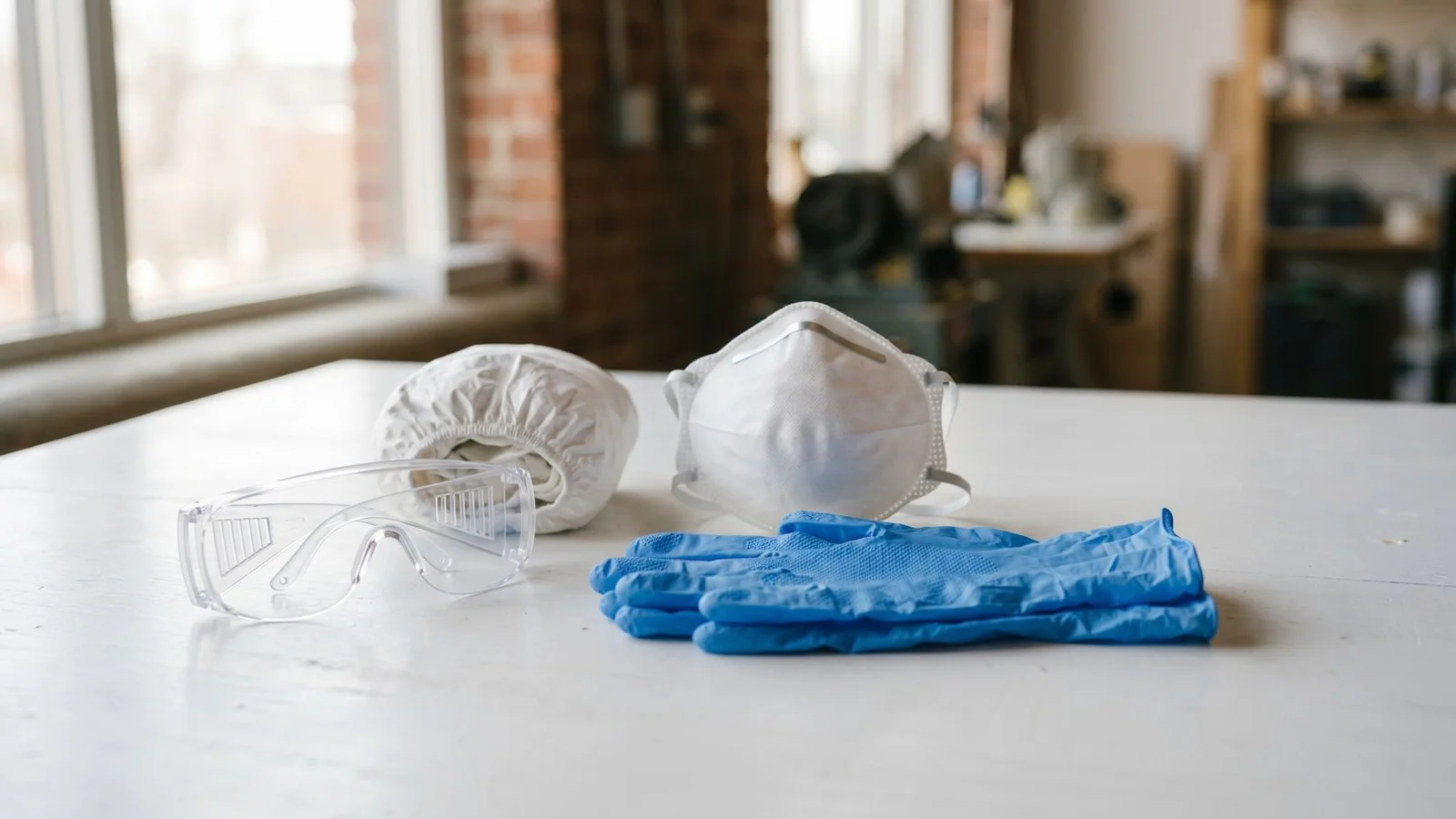
We mandate specialized personal protective equipment and controlled containment for every single bloodborne incident.
Gross Filth Thresholds
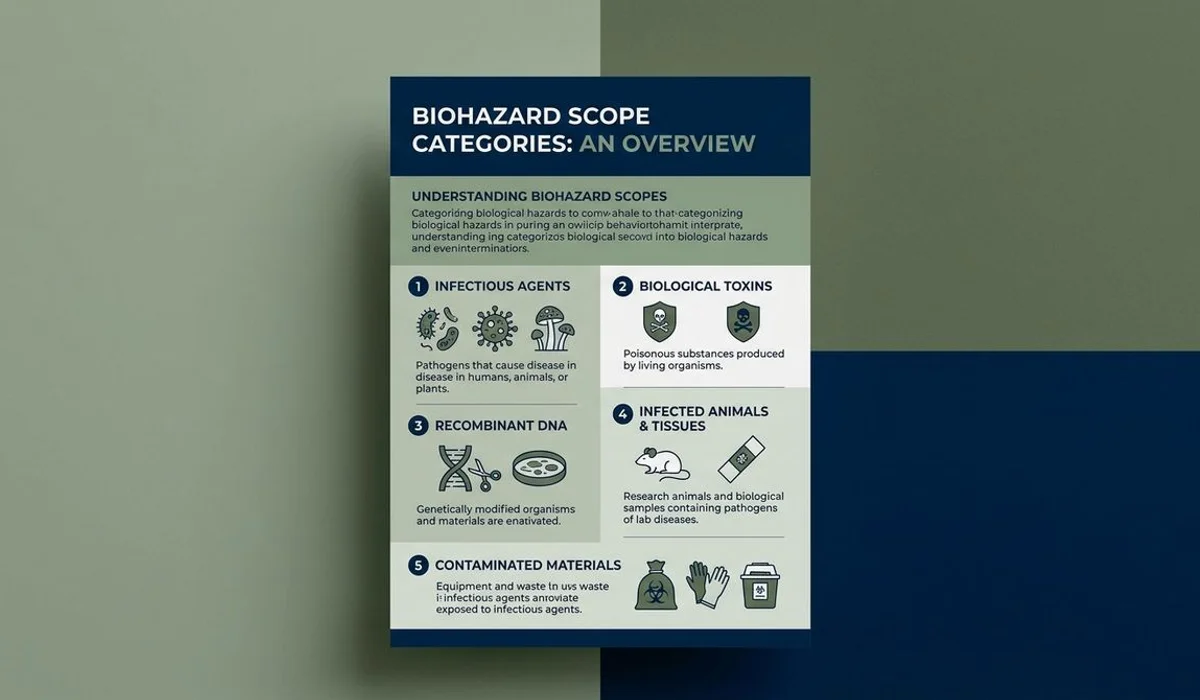
”Gross filth” describes residential conditions that have crossed beyond extreme clutter into a verified health hazard. This biohazard cleanup meaning is defined by the presence of bio-contaminants that standard sanitation cannot resolve.
Our technicians look for specific clusters of contamination that require pathogen-level remediation. These hazardous environments often harbor vector-borne diseases and dangerously high ammonia levels.
A job transitions from standard cleanup to a biohazard response when two or more of the following indicators exist:
- Sustained chemical or biological odors that ventilation cannot clear.
- Visible biological contamination embedded into porous surfaces or floors.
- Large-scale pest infestations, particularly involving rodents, roaches, or flies.
- Subfloor or drywall saturation originating from biological sources.
Our specialists use industrial-grade enzyme treatments to break down these specific biological hazards. Regular household bleach simply cannot penetrate deeply enough to neutralize the threat.
Animal Waste
Significant animal waste contamination ranks as a high-level biohazard scope. Homes with unmanaged pets or animal hoarding scenarios require aggressive structural remediation.
We frequently find that urine and feces saturate flooring, drywall, and HVAC systems in ways that surface cleaning cannot touch. The health risks associated with untreated animal waste are severe and immediate.
The CDC warns that disturbing dried deer mouse droppings can release Hantavirus Pulmonary Syndrome directly into the air you breathe.
You risk a potentially fatal respiratory infection if you breathe in these microscopic particles without an N-95 or P100 respirator. Our crews treat these environments as active infection zones.
Hardwood floors saturated with high levels of ammonia from urine typically cannot be salvaged. Subfloor replacement is almost always necessary to stop the off-gassing and remove the hazard entirely.
Unattended-Death and Decomposition
Any level of decomposition residue automatically qualifies as a biohazard scope, with no exceptions. Family members and untrained staff must never enter the affected area due to extreme health risks.
Our technicians rely on trauma-informed protocols, full personal protective equipment, and regulated waste handling to restore the space safely. Bodily fluids can saturate a mattress and breach the subfloor within 24 to 48 hours.
Pathogens like Hepatitis C can survive outside the body for weeks in these porous materials. We outline the complete process in our detailed unattended-death guide.
Understanding the difference between biohazard vs deep cleaning is critical during a trauma incident.
Decomposition Risk Factors
| Biohazard Source | Typical Onset | Primary Remediation Challenge |
|---|---|---|
| Bloodborne Pathogens | Immediate | Microscopic penetration into flooring. |
| Odor Permeation | 24-48 Hours | Saturation of HVAC systems and drywall. |
| Structural Saturation | 3-5 Days | Requires physical removal of subfloors. |
Our focus remains on complete biological eradication, not just surface aesthetics.
Mold Beyond Surface Levels
Widespread mold caused by flooding, plumbing failures, or structural damage demands a professional biohazard response. Surface mold in a small bathroom corner can often be managed with standard cleaning supplies.
We draw the line when mold spores aggressively spread into porous building materials across multiple rooms. The Environmental Protection Agency provides a very clear metric for this hazard.
You should hire a professional mold removal contractor if you hit any of these EPA thresholds:
- The fungal growth covers more than 10 square feet.
- The mold is located inside your HVAC system or ductwork.
- The damage originated from contaminated sewage water.
This specific threshold requires the construction of physical containment barriers and negative air pressure systems. Our mitigation teams utilize commercial-grade HEPA air scrubbers to prevent cross-contamination during removal.
Attempting to tear out widespread mold without proper containment will spread dangerous spores into the rest of the property.
Why DIY Is Dangerous
Taking on a biohazard scene yourself introduces massive legal liabilities and immediate physical dangers. Standard trash pickup services are legally prohibited from accepting regulated medical waste or contaminated building materials.
Our legal compliance team ensures that all hazardous materials go directly to licensed destruction facilities. The Environmental Protection Agency governs medical and hazardous waste disposal under the Resource Conservation and Recovery Act.
Facilities and property owners can face staggering penalties for illegal dumping. Federal RCRA fines for hazardous waste violations can reach up to $75,000 per day in 2026.
We handle all the chain-of-custody documentation so you never have to worry about these regulatory traps. The physical dangers of a DIY approach are equally severe:
- PPE Requirements: Safe entry requires N100/P100 respirators, heavy-duty Tyvek suits, and sealed eye protection.
- Cross-Contamination: Pathogens spread rapidly throughout a property if negative air containment is absent.
- Regulated Waste: Biohazard waste demands licensed haulers and specialized incineration.
- Pathogen Survival: Many dangerous viruses persist in porous materials long after standard surface bleaching.
Our objective is to completely eliminate the liability and health risk from your property.
How Triage Works By Phone
A quick phone consultation is the fastest way to determine if your situation requires specialty cleanup. The intake process relies on specific environmental questions to gauge the severity of the contamination.
Our dispatch coordinators usually triage the exact scope of work within a few minutes of hearing your description. Specific trigger points like visible biological matter, sustained odors, extreme pest scale, or signs of decomposition immediately flag a high-risk scene.
We route the project directly to certified biohazard providers when these specific answers cluster together. You can review a complete side-by-side comparison in our biohazard cleanup vs standard deep cleaning breakdown.
Immediate clarity and fast intervention prevent secondary structural damage and reduce the total cost of recovery.
If you are dealing with a severe incident right now, visit the Carolinas biohazard cleanup coordination page for rapid assistance.