
We take intake calls across North and South Carolina every week, and the stories always start the same way.
The gap between a mildly cluttered house and a situation requiring intervention usually happens slowly. Families rarely notice the exact moment a home tips from needing a weekend cleanup into requiring serious help.
Our team put together this guide to highlight the ten clearest signs need professional hoarding help. You should read these points as a helpful self-assessment rather than a final verdict.
A threshold is crossed when three or four of these indicators start stacking up. Our clients often recognize these exact hoarding warning signs right before they decide it is time to reach out.
Behavioral Signs
1. One or more rooms can’t be used for their intended purpose
When the basic functions of a home stop working, the situation has officially moved past normal clutter. You might find a bedroom that you sleep around rather than in, or a dining table permanently buried under decades of mail.
Our crews frequently see kitchens where the stove is completely inaccessible due to stacked boxes. The American Psychiatric Association lists this inability to use a living space for its intended design as a core diagnostic criterion for hoarding disorder. This condition affects roughly 2.6 percent of the US adult population.
We know that identifying this specific spatial shift is critical for deciding when to call hoarding cleanup professionals.
2. Refusal to let people inside
Social withdrawal is one of the strongest single indicators that a clutter problem has severely escalated. This isolation includes shutting out friends, family, neighbors, repair workers, and sometimes even medical doctors.
We often learn that homeowners feel intense shame or fear of judgment about their living conditions. Research shows that nearly 75 percent of individuals exhibiting hoarding behaviors also carry co-occurring anxiety or mood disorders. The heavy emotional weight directly fuels the refusal to allow visitors inside the house.
Our team looks for these three specific withdrawal behaviors:
- First, the homeowner repeatedly cancels necessary utility repairs.
- Second, they keep all window curtains permanently drawn.
- Our final warning sign is when they only meet guests at the end of the driveway.
3. Acquiring exceeds discarding by a wide margin
A clear imbalance occurs when new items constantly arrive but very little ever leaves the house. The flow of possessions becomes entirely one-directional through purchases, gifts, or collecting free things.
We view continuous accumulation as a major red flag for a rapidly worsening situation. Recognizing this pattern early can prevent a mild collecting habit from turning into a critical safety hazard. Discarding must eventually match acquiring to maintain a functional living environment.
We watch piles begin to shrink the usable square footage of the home month by month.
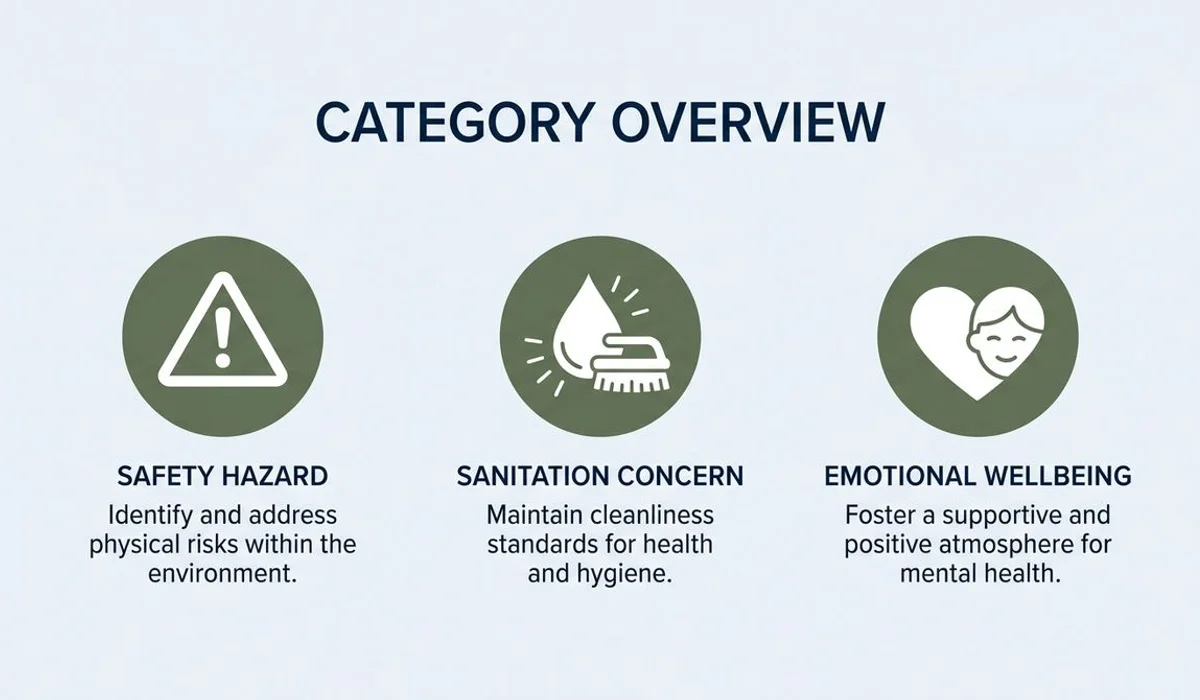
Structural and Sanitation Signs
4. Pests or odor that doesn’t respond to surface cleaning
Persistent smells or active infestations in the absence of a visible cause usually mean contamination has reached hidden areas. Rodents and roaches naturally seek out undisturbed piles of cardboard and paper to build their nests.
Our cleanup crews know that surface cleaning does nothing when the root of the infestation is buried under compacted material. Professional exterminators cannot properly treat a home if they cannot reach the baseboards. Removing the physical barriers is the required first step before any pest control can succeed.
We constantly remind clients of this pest control reality:
“You cannot permanently eliminate mice or roaches while their cardboard food sources and nesting grounds remain stacked against the walls.”
Taking away the habitat is the only permanent solution.
5. Plumbing or HVAC limitations
We have seen minor repairs turn into major reconstruction jobs simply because the service areas were completely obstructed. Basic home maintenance becomes impossible when clutter blocks access to a furnace, water heater, electrical panel, or main shut-off valve. A simple plumbing leak can cause catastrophic structural damage if a technician cannot reach the pipes.
Our safety protocols require that every critical utility panel remains accessible at all times. Ignoring these structural limitations puts the entire property at severe risk of permanent ruin. Regular servicing of HVAC units is also necessary to maintain healthy indoor air quality.
6. Mold, water staining, or rot you can’t locate
We strictly follow EPA guidelines, which warn that indoor mold only needs 24 to 48 hours to grow on damp surfaces. Hidden water damage often lurks underneath stacked items and goes unnoticed for months or even years. By the time rot or water staining becomes visible at the edges of a pile, the underlying structural damage is usually significant.
Our specialists use this timeline to explain hidden water damage risks:
| Time Elapsed | Potential Damage |
|---|---|
| The 24 to 48 hour mark is critical. | Mold spores begin actively growing on damp drywall or cardboard. |
| Our 7-day marker shows escalation. | Structural rot begins forming underneath saturated floor carpets. |
| A full month brings devastation. | We often see severe decay compromising the wooden floor joists. |
Removing the excessive clutter is the only way to locate the moisture source and stop the fungal growth.
Safety Signs
7. Blocked exits or pathways
Clear paths out of a building are an absolute, non-negotiable requirement for basic residential safety. Our safety assessments align with the National Fire Protection Association Life Safety Code, which mandates unobstructed primary and secondary escapes. Fire-safety codes and emergency-responder access depend entirely on these clear egress routes. Firefighters cannot maneuver through tight corridors filled with combustible materials while carrying heavy gear.
We strongly warn clients that blocking a door or a low window creates a fatal trap during a fire. Maintaining a wide, clear path to all exterior doors is essential for everyone in the house. Removing obstructions from hallways must be the top priority in any cleanup effort.
8. Fall risk for an older adult
We know that hip fractures resulting from trips often permanently change the trajectory of an older adult’s life. Cluttered floors are a leading cause of severe injuries for seniors walking through their own homes. Recent 2026 data from the CDC shows that over 14 million adults aged 65 and older report a fall each year.
Our team treats the situation with extreme urgency if an aging parent must maneuver around tight corners of belongings. A single fall can easily result in a forced transition to an assisted living facility. Keeping walking areas completely bare is the most effective way to prevent these devastating accidents.
We prioritize clearing these specific high-risk zones first:
- The direct pathway from the bed to the primary bathroom must remain clear.
- All stairs and the immediate landing areas above and below them require full access.
- Our final priority zone is the main path to the kitchen refrigerator.
Emotional Signs
9. The family member at the center is overwhelmed
The cognitive load of facing a massive cleanup alone often paralyzes the individual living in the home. The person is usually not just embarrassed, but completely unable to start the clearing process even when motivated.
Our behavioral specialists understand that a massive level of overwhelm means the situation has crossed a critical threshold. Breaking the project down into manageable steps is nearly impossible for someone suffering from decision fatigue. Outside support provides the physical labor and emotional grounding needed to make real progress.
We frequently see how a professional intervention provides the necessary project management to relieve that immense mental burden.
10. The family helping is exhausted
Weekend cleanup visits that constantly turn into shouting matches are a sign that the family dynamic is breaking down. Months of incremental progress often get reversed in a single week, leaving adult children completely exhausted.
We highly recommend stepping back when family assistance is clearly making things harder instead of easier. Family members often carry too much emotional baggage to facilitate a calm, effective sorting process. Allowing professionals to handle the heavy lifting gives the family a chance to simply be supportive relatives again.
Our intake coordinators frequently hear this exact sentiment:
“I spent the entire weekend arguing about old magazines, and the room looks exactly the same.”
Bringing in a neutral third party preserves fraying relationships and actually gets the job done.
What to Do Next
We run private intake calls across the Carolinas to help families resolve these difficult situations.
The hardest part of this entire process is usually starting the conversation with the person at the center of the crisis. Reaching out to a service provider can also feel incredibly intimidating for families.
Our approach guarantees no judgment, no pressure, and absolutely no one showing up at the property until you are ready. If you are stuck on the communication side, our guide on how to help a loved one who won’t accept help is the very best next read.
Getting the right information makes the next steps much clearer and far less stressful.