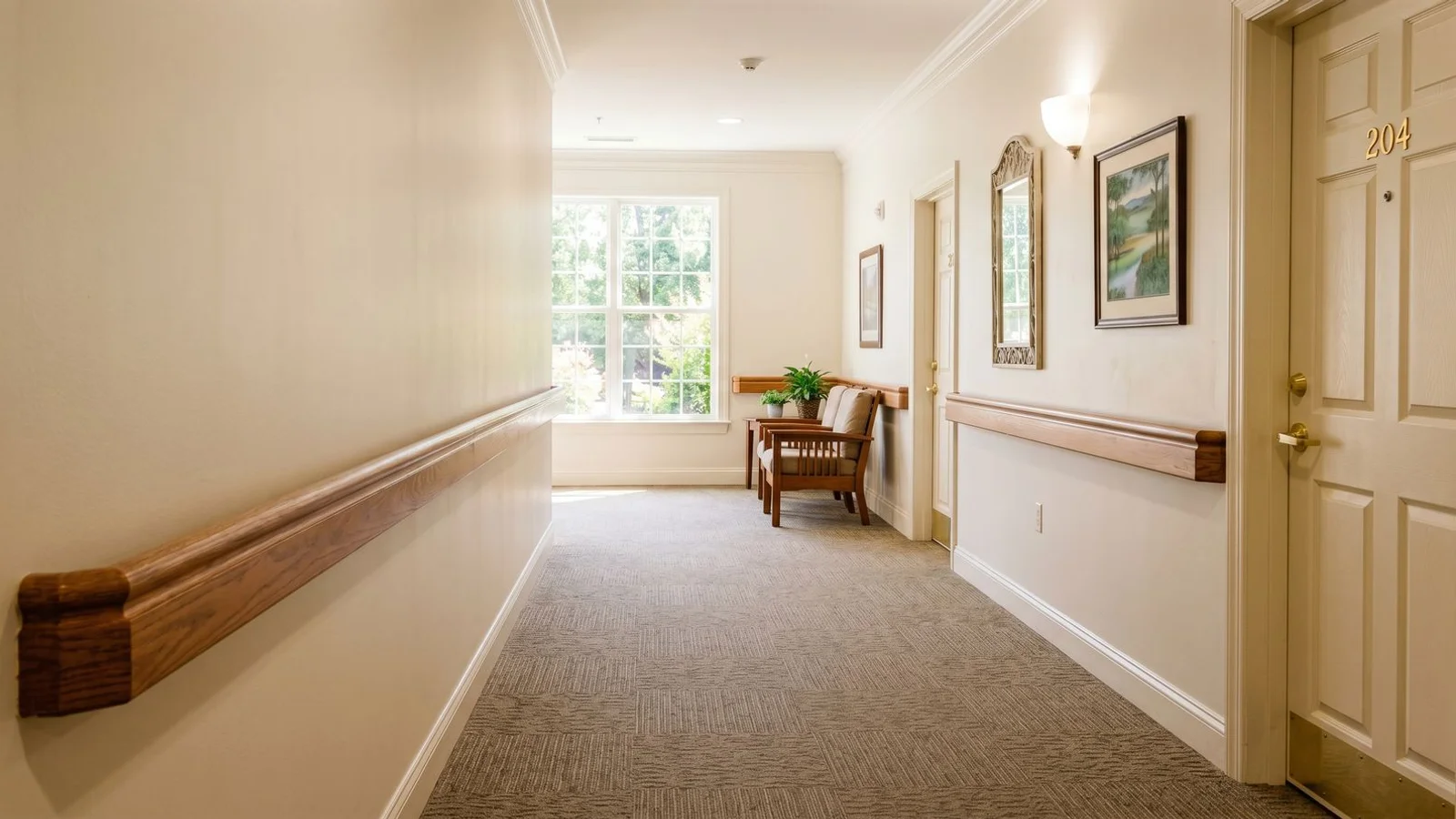
You know how quickly a collection of memories can turn into a daily hazard.
For an aging parent, clutter that was once mostly an aesthetic concern can become a genuine senior clutter safety issue. The transition from “needs a weekend cleanup” to a critical risk happens faster than most families realize.
We see this turning point frequently in our daily work with older homeowners. The Centers for Disease Control and Prevention reports that one in four adults over 65 falls each year, and more than 60% of those incidents happen right at home. That statistic is a stark reminder that physical environment dictates safety.
Let’s look at the eight clearest warning signs that a home requires immediate intervention, backed by recent safety data. Then, we will walk through the practical steps to resolve these hazards before an emergency occurs.
Fall Risk Indicators: A Senior Clutter Safety Issue
The physical environment directly dictates a person’s daily safety. Identifying a senior fall risk clutter situation early is critical for preventing life-altering injuries.
| Fall Hazard Area | The Underlying Statistical Risk |
|---|---|
| Bedroom-to-Bathroom Path | Over 6% of annual emergency room visits for seniors result from bathroom trips. |
| Stairway Obstructions | Stairs account for 34% of home fall injuries in adults over 65. |
| General Walking Paths | Home falls create an $80 billion annual healthcare burden in the US. |
1. Unstable stacks or piles in walking areas
Tripping hazards are the single most common cause of senior falls in cluttered homes. Anything that could shift underfoot or block recovery during a stumble creates a severe environment.
We constantly remind families that the Centers for Disease Control and Prevention tracked nearly 8 million emergency room visits annually for home falls in recent years. Clutter plays a massive role in these statistics.
You should clear away unstable stacks of magazines, loose rugs, and scattered boxes.
2. Floor clutter in bedroom-to-bathroom path
The middle-of-the-night bathroom trip is the highest-risk moment for older adults. Clear paths from the bed to the bathroom matter more than almost any other safety improvement.
We frequently see how medication side effects and natural sleep grogginess compound the danger of nighttime walking. Recent emergency room data shows that over 6% of injury-related visits for adults 65 and older stem specifically from bathroom-related trips.
Removing floor clutter in this path reduces the chance of a catastrophic hip fracture. Consider adding motion-sensor nightlights to illuminate the cleared walkway safely.
3. Stairs blocked or partially obstructed
Stairs need clear handrails, clear treads, and adequate lighting. Anything else is a risk multiplier that demands immediate attention.
Stairs account for 34% of all home fall injuries among adults over 65, leading to over a million emergency visits yearly. A single box resting on a bottom step forces a senior to alter their natural gait.
Our team always recommends keeping stairways completely bare to prevent these devastating accidents. Keep every step clear to ensure secure footing at all times.
Fire Safety Markers
Blocked paths and close-proximity storage turn minor sparks into major residential fires. Addressing these hazards ensures both easy escape and safe heating.
4. Combustibles near heat sources
Newspapers near a furnace, fabric near space heaters, or papers piled on a stove all present severe dangers. Any of these alone is a fire risk, and multiple together compound the threat exponentially.
The National Fire Protection Association (NFPA) explicitly warns about this exact scenario. Their recent reports show that portable space heaters are involved in 41% of fatal residential heating fires.
Placing a heat source too close to combustible objects is the leading factor in portable heater fires, causing nearly half of all related incidents.
Our crews always measure the distance between heat sources and stored items during an assessment. Keeping a strict three-foot clear zone around all heating equipment saves lives.
5. Blocked exits or windows
Fire-safety code requires unobstructed egress for a very practical reason. If a fire breaks out and the senior cannot get out, or first responders cannot get in, the consequences escalate incredibly fast.
We know that emergency personnel carry bulky equipment and need wide clearances to perform rescues. Cluttered hallways can easily trap a resident when visibility drops to zero during a smoke event.
Ensure that every exterior door opens fully and every ground-floor window remains accessible.
Sanitation Markers
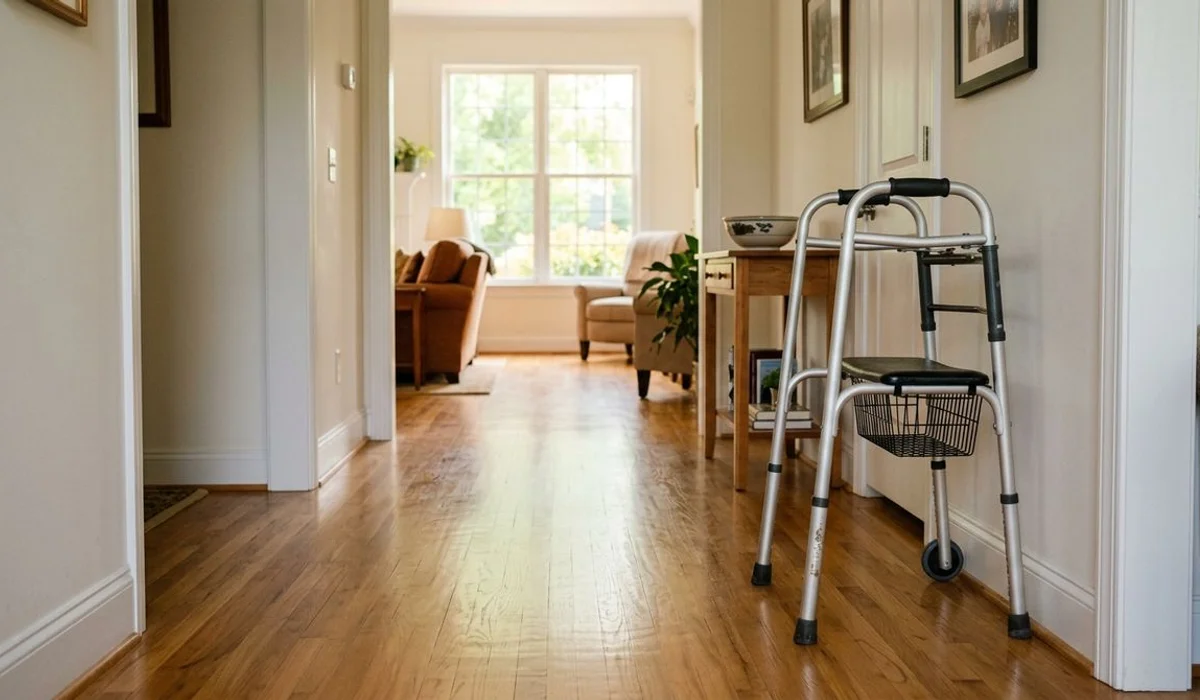
Sanitary living conditions degrade rapidly when flat surfaces disappear under piles of belongings. This directly impacts a resident’s daily diet and personal cleanliness.
6. Kitchen unable to support food prep
When the kitchen becomes storage, food preparation moves to less safe surfaces or gets skipped entirely. Nutrition declines rapidly and foodborne illness risk rises.
We frequently uncover expired food hidden beneath piles of mail in older homes. The U.S. Senate Special Committee on Aging has noted that severe clutter in seniors directly links to malnutrition and intense isolation.
You will often see older adults resort to microwave meals or skip eating altogether when counter space disappears.
Watch for these specific kitchen warning signs:
- Stovetops covered with mail or non-cooking items.
- Refrigerators packed with severely expired products.
- Sinks overflowing with unwashed dishes.
- Pests or rodent droppings near food storage areas.
7. Bathroom unable to support hygiene
Cluttered bathrooms drastically reduce daily hygiene compliance. For seniors, the downstream effects include urinary tract infections (UTIs), severe skin issues, and dangerous slips during overcomplicated bathing routines.
We consider the bathroom the most critical hygiene zone in the house. Studies show that a massive percentage of home falls occur in bathrooms due to the mix of water, tight spaces, and hard surfaces.
When a person cannot reach the sink or shower safely, they naturally stop trying. Clearing this specific room is an absolute necessity for preventing hospital stays.
Mobility Aid Access
A home must physically accommodate the equipment required to keep its resident moving. Narrow paths render expensive mobility devices completely useless.
8. Walker, cane, or wheelchair can’t navigate the home
If the senior is using a mobility aid, the home layout must support it safely. The width of pathways, the ability to turn around, and clear floor space all need to work together.
We adhere closely to the Americans with Disabilities Act (ADA) guidelines when assessing home accessibility. These standards provide clear measurements for safe movement.
You cannot expect a loved one to move safely through a cramped hallway without bumping into walls.
Standard ADA mobility clearances require:
- A minimum clear width of 36 inches continuously for a wheelchair or walker.
- Doorways offering at least 32 inches of clear passage space.
- A 60-inch diameter of clear space to safely turn a wheelchair around.
A home choked with furniture and boxes makes aging in place impossible for someone relying on a walker.
When Adult Protective Services Gets Involved
In North Carolina and South Carolina, Adult Protective Services (APS) may already be involved if neighbors, healthcare providers, or family members have made reports about senior safety. The APS investigation isn’t adversarial by default. It is typically about determining what supports the senior needs to stay safe.
We regularly see local agencies and hoarding task forces intervene when extreme fire risks or unsanitary conditions threaten a vulnerable adult. Social workers focus heavily on mitigating immediate health hazards and self-neglect.
Families can sometimes get ahead of an APS situation by reaching out for private help first. Compassionate cleanup, paired with senior-transition coordination when needed, often resolves the underlying conditions APS is monitoring.
Soft Path to Help
Calling for help in this situation doesn’t mean admitting failure or giving up on a parent’s independence. It often means creating the conditions for safe aging-in-place, or facilitating a thoughtful transition when that is the right next step.
Our experience handling elderly hoarding safety shows that patience and professional guidance yield the best outcomes. Interventions work best when the focus remains on health and comfort.
Consider these initial steps when planning a soft intervention:
- Focus conversations on safety goals rather than getting rid of items.
- Enlist a neutral third party to assess the home.
- Start clearing high-risk areas like hallways before tackling emotional items.
If the senior won’t engage, our related guide on helping a loved one who won’t accept help offers practical scripts. The first call to us is private and family-side; nothing happens at the home until everyone is ready.
You have the power to turn a hazardous senior clutter safety issue into a secure environment. Start by assessing the main walking paths today, and reach out to our professional service team to map out a clear, respectful plan for your family’s specific needs.