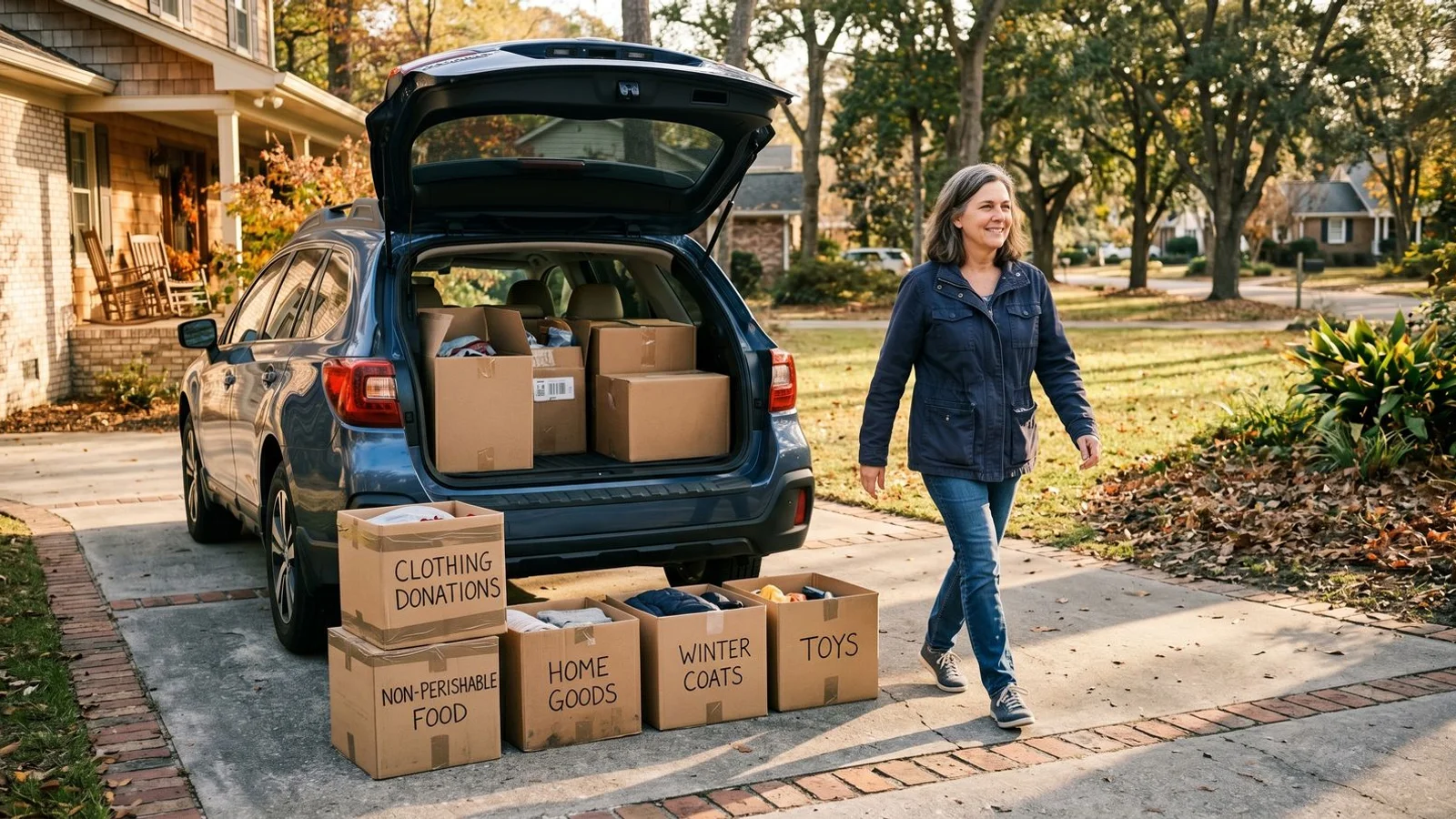
Our team sees how fast a simple home cleanout can turn into a logistical nightmare. The reality is that donation recycling cleanout coordination often matters just as much as the heavy lifting itself.
Families care deeply about where their usable goods end up.
We rely on a default donation-first protocol across the Compassionate Carolinas provider network to handle this exact concern. The specific routing paths will vary by category, local market availability, and the exact documentation you need.
Let’s break down exactly how this coordination works across different material types so you can plan accordingly.
Donation Routing: Carolinas 501(c)(3) Partners
We start the sorting process by tapping into a trusted network of established local charities. Most families want to donate after cleanout projects, so providers maintain strong working relationships with specific Carolinas organizations to maximize local impact. The goal is to keep as much material out of the landfill as possible.
- Goodwill Industries: This organization accepts broad household goods and clothing.
- Habitat for Humanity ReStore: These locations are ideal for furniture, working appliances, and surplus building materials.
- Salvation Army: This charity takes clothing, everyday household items, and furniture.
- Crisis Assistance Ministry: This Charlotte staple provides clothing and basic necessities to those in need.
- The Green Chair Project: This Raleigh-based furniture bank supplies items specifically for transitional housing programs.
- Local Library Partners: These community hubs are perfect for hardcovers and paperbacks in good condition.
We always exhaust these community avenues first to honor the family’s wishes. Items that do not fit into these main categories find homes through smaller local partners. A transfer station or disposal facility becomes the last resort when no charitable path exists.
Donation Receipts for Tax Purposes
Our providers make sure receipts capture all the required details to keep your estate compliant. Proper documentation is absolutely essential for estate donations exceeding $500 in fair market value. The IRS requires Form 8283 to process these non-cash charitable contributions on your annual tax return.
We verify that the paperwork includes the date, the charity’s tax ID, detailed descriptions, and estimated values. The estate tax preparer will need this exact information to maximize the legal return. Keep in mind that a single item or group of similar items valued over $5,000 requires a qualified written appraisal.
| Donation Value Threshold | IRS Requirement | Provider Action |
|---|---|---|
| Under $500 | Standard Receipt | Provider supplies basic charity receipt. |
| Over $500 | IRS Form 8283 | Provider supplies detailed inventory and FMV estimates. |
| Over $5,000 | Qualified Written Appraisal | Family must secure an independent appraiser. |
E-Waste and Metal Recycling
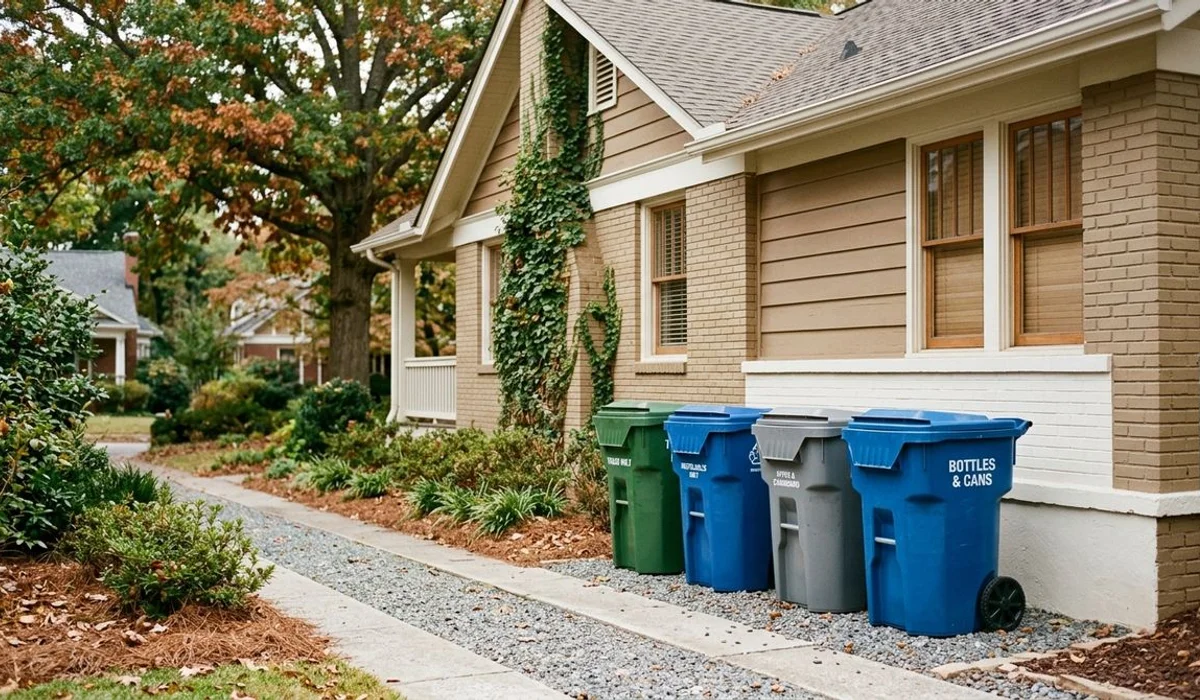
We handle electronic waste with strict adherence to state laws to ensure responsible recycling after estate cleanout events. Regulations actually ban televisions, computers, and monitors from standard landfills completely. North Carolina enforces this through General Statutes 130A-309.130.
Our crews ensure these restricted items reach certified e-waste recyclers instead of the dump. Recent updates even added strict e-Manifest reporting requirements for hazardous e-waste shipments in the state.
Scrap metal and old appliances go directly to specialized metal recycling yards. We often see these heavy metal loads generate a small credit that helps offset your overall disposal costs.
Mattress Recycling
Mattresses require specialized recycling facilities to break down their massive bulk. A compacted cubic yard of regular garbage weighs around 1,500 pounds, but a cubic yard of mattresses weighs only 250 pounds.
We actively seek out specialized recycling programs to prevent these bulky items from creating massive voids in local landfills. Facilities like Nine Lives Recycling in South Carolina or LRP Recycling in North Carolina can dismantle these beds effectively. The process extracts valuable components like steel springs and polyurethane foam for industrial reuse.
Our routing protocol sends mattresses to these specialized facilities whenever local availability allows. Standard disposal becomes the only option in rural markets where these recycling centers simply do not exist.
Hazardous Waste Routing
Hazardous materials require a completely separate handling protocol to ensure safety. We never mix dangerous household chemicals with regular junk removal hauls. Common items that cannot legally go into standard municipal trash streams include:
- Old interior or exterior paint
- Industrial solvents and cleaning chemicals
- Automotive fluids like motor oil or antifreeze
- Lithium batteries and propane tanks
These materials pose significant environmental and fire risks to transport trucks. We set these specific items aside in a safe staging area for the homeowner. Residents can then take them to free municipal drop-off centers, such as the Household Hazardous Waste facilities in Mecklenburg or Wake County.
A licensed hazardous waste hauler becomes necessary when a property contains an exceptionally high volume of chemicals. Our coordination team can arrange this specialized pickup if the situation requires it.
What Happens to the Rest
A certain percentage of material will inevitably head to a transfer station or landfill. Broken furniture, heavily soiled carpets, and items rejected by charities fall into this category.
We work hard to minimize this remainder through aggressive sorting and strategic routing. Older households or heavy hoarding cleanups typically produce a larger volume of unsalvageable waste. The goal is always to maximize diversion rates before resorting to the final disposal stream.
We provide transparent cost estimates for the final hauling phase based on standard truckload volumes. For pricing details on the truckload model, see junk removal pricing in the Carolinas, or visit junk removal coordination. Effective donation recycling cleanout coordination protects both the environment and your wallet, so book your consultation today.