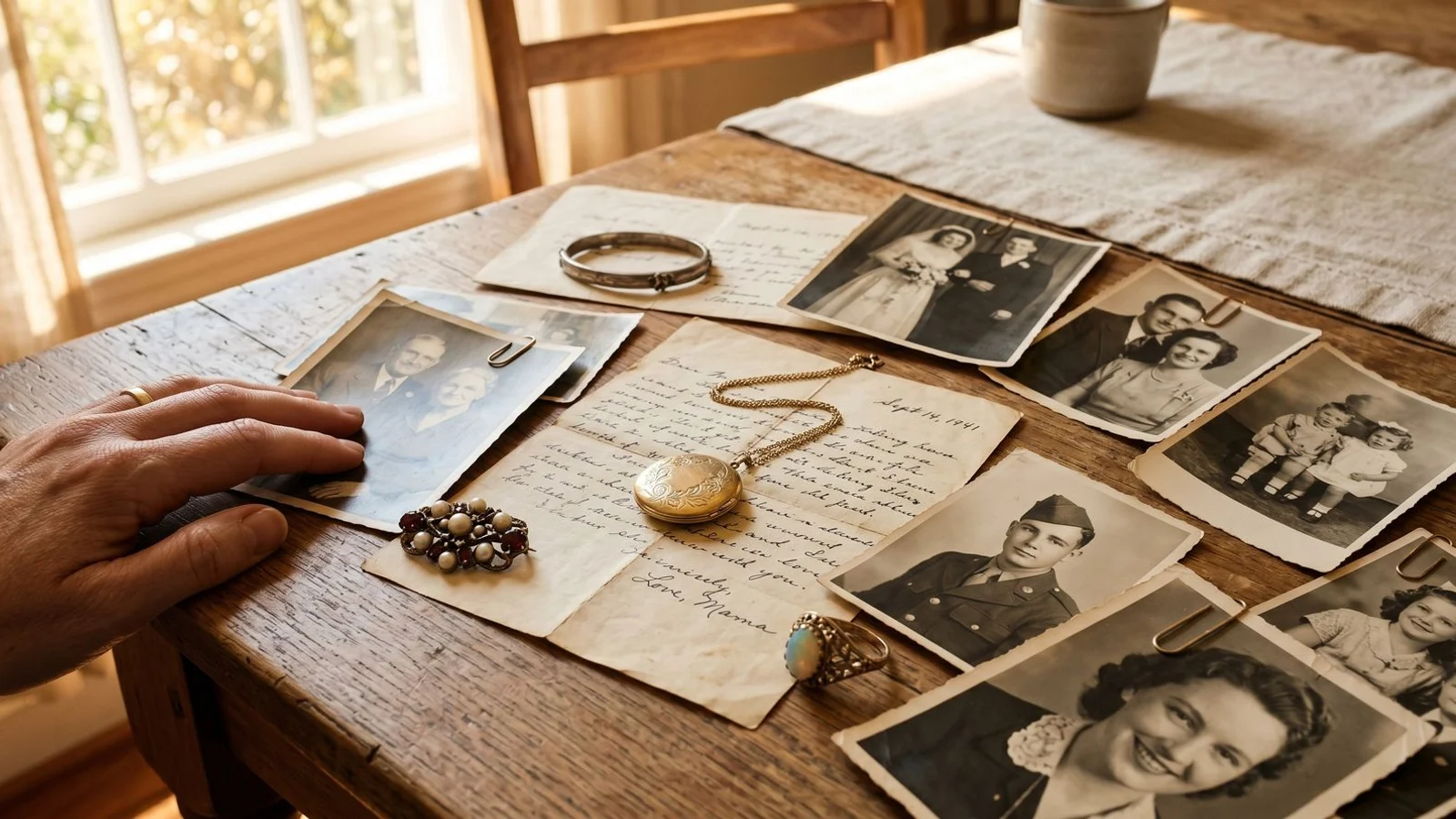
We know that managing the estate cleanout inventory, valuables included, is one of the most common executor anxieties.
The good news is that compassionate Carolinas cleanout providers expect this exact concern. Our experts work around it with straightforward protocols to protect the family.
Here is exactly how to identify hidden assets and safely handle the documentation. This work fits inside our broader estate cleanouts coordination, where inventory protocols come standard, not as an upsell.
Categories That Commonly Hide Value
We routinely find valuables in hoarder house environments and standard homes alike. A typical American home occupied for thirty years contains roughly 300,000 items.
Our teams systematically search through this overwhelming volume to locate family assets. You should pay special attention to a few common hiding spots.
Financial Documents and Currency
We always advise clients to check paperwork carefully. The US Treasury holds roughly $39.2 billion in unclaimed savings bonds as of 2026.
Our experience shows that many families accidentally throw away these uncashed bonds. Look closely for these specific financial items:
- Paperwork: Savings bonds, stock certificates, insurance documents, deeds, and military records.
- Hidden Cash: Freezer food containers, hollow doors, and old book pages.
- Coins and Currency: Old bills, silver coins, and foreign currency from travel.
Antiques and Household Collectibles
We also check standard household goods for hidden value. Vintage kitchenware often hides in plain sight.
Our specialists know that rare Pyrex patterns like “Lucky in Love” can sell for thousands of dollars. Watch out for these physical assets during your walkthrough:
- Jewelry: Costume pieces that might be precious, plus loose stones in dresser drawers.
- Art: Signed prints, original works, and antique frames.
- Books: First editions, signed copies, and rare academic texts.
- Furniture: Antiques, signed pieces, and original mid-century items.
- Collectibles: Stamps, sports cards, vintage toys, and memorabilia.
- China and Kitchenware: Sterling silverware, signed porcelain, and complete vintage sets.
The Photograph-Before-Discard Rule
We highly recommend the photograph-before-discard method for ambiguous items. Modern technology makes this visual documentation faster than ever.
Our crews use smartphone cameras to record everything before it leaves the property. Applications like Google Lens allow you to instantly identify unknown vintage pieces using these photos.
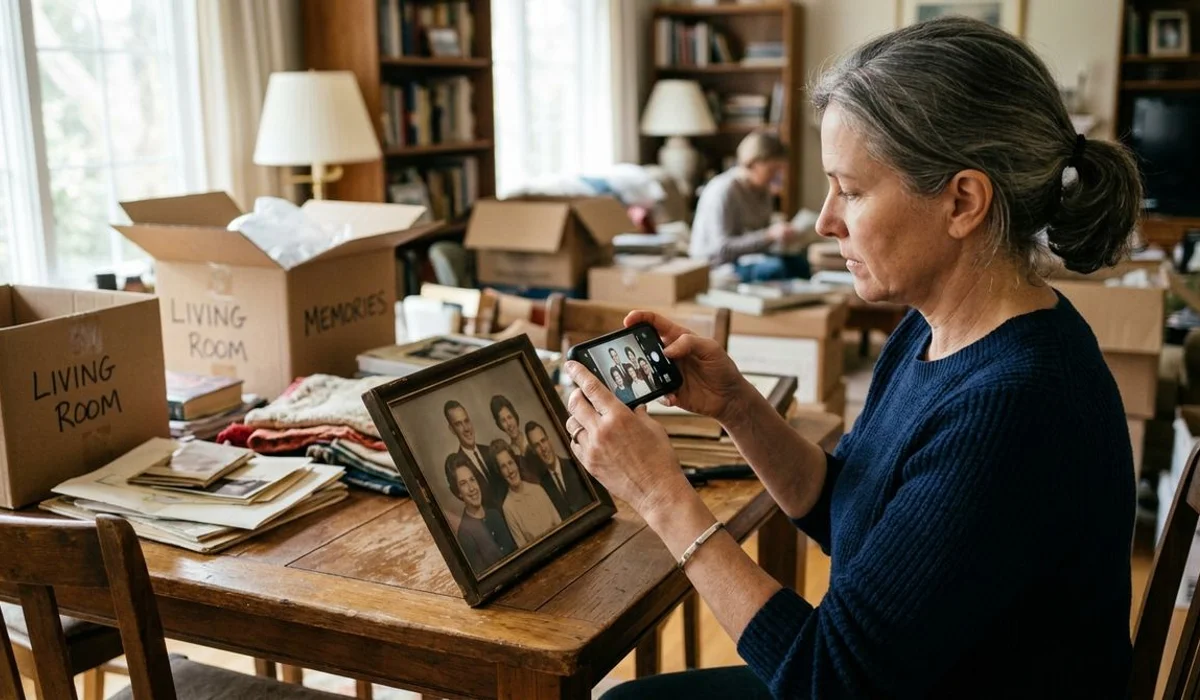
We can hold these questionable items in a specific review pile for 24 to 48 hours. This temporary hold gives the executor enough time to contact an appraiser.
Our team keeps this pile secure while you make those important phone calls. This simple protocol prevents costly mistakes.
When to Bring in an Appraiser
We suggest hiring a professional appraiser for high-value collections. A standard personal property appraisal in the US generally costs between $300 and $600.
| Appraisal Type | Estimated Cost |
|---|---|
| Standard Personal Property | $300 to $600 Flat Fee |
| Complex Estate Valuations | $52 to $150 Per Hour |
Our local partners can provide accurate quotes based on the size of the estate. The IRS actually dictates when you need this formal valuation.
We help families identify the collections that trigger strict tax requirements. Federal rules state that single items or similar groups valued over $5,000 require a qualified appraisal.
Our basic checklist helps you spot the collections that usually hit this threshold. Bring in an expert for the following categories:
- Jewelry collections that might exceed the $5,000 total value mark.
- Art collections with recognized signatures or clear historical provenance.
- Coin or currency collections larger than a simple coffee can stash.
- Antique furniture sets or documented mid-century pieces.
- Significant collectibles like sports memorabilia, rare stamps, or first-edition books.
We find that executor-level photo documentation is sufficient for standard households without these high-end categories. A simple visual record protects the estate from future disputes.
Tax-Relevant Donation Receipts
We coordinate closely with local charities to secure the right tax documents. The executor needs to prepare specific paperwork based on the value of the items.
- Donations over $500: Require a standard IRS Form 8283.
- Donations over $5,000: Require a completed Section B on Form 8283 with a qualified appraiser signature.
Our teams route usable items directly to registered 501(c)(3) partners like Habitat for Humanity ReStore. These organizations issue receipts in the exact format a tax preparer requires.
We always remind clients about the stricter rules for higher-value donations. This careful sorting prevents major delays during tax season.
Our staff will separate these expensive items so you can get the required signatures efficiently. Proper documentation protects the estate from future tax audits.
Working With the Crew
We encourage open communication from the very first day on site. A family-led sorting process typically takes three to six weeks to complete.
Our professional crews can clear an average three-bedroom US home in just one to three days. You must brief the team upfront to ensure this fast turnaround runs smoothly.
Discuss these key details before work begins:
- Which item categories matter most to the surviving family members.
- Any specific items or furniture pieces the family wants set aside.
- Whether the property includes potentially hidden valuables.
- Who holds the legal authority to make final discard decisions.
We utilize the review pile protocol as your ultimate safety net. Generous use of this hold area prevents the accidental loss of important assets.
Our goal is to help you comfortably approach the estate cleanout vs estate sale decision. This choice is the next major question most executors face.
We are ready to answer your questions about the logistics of property clearing. You can browse our estate cleanout coordination services directly to start your estate cleanout inventory valuables assessment today.